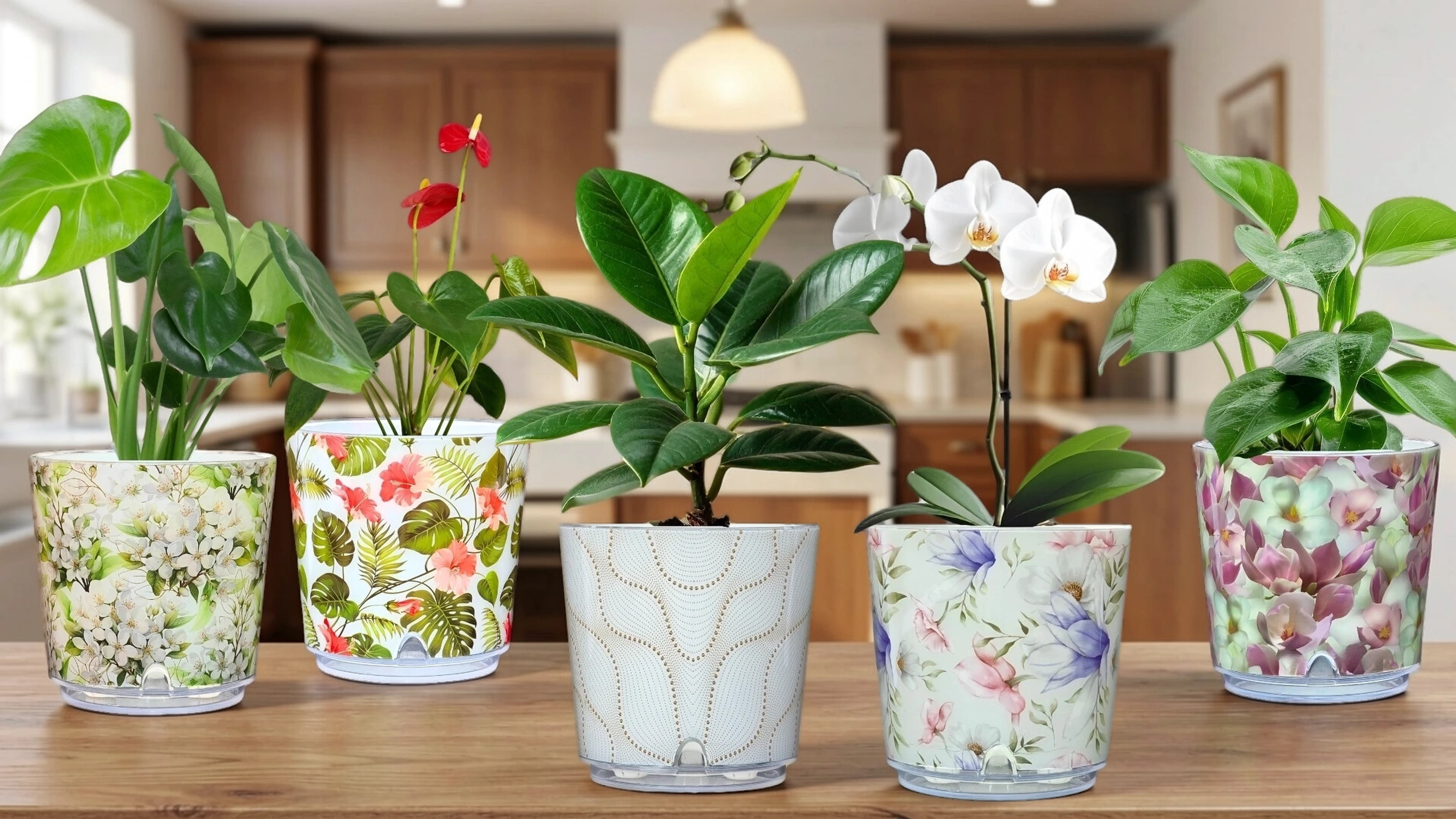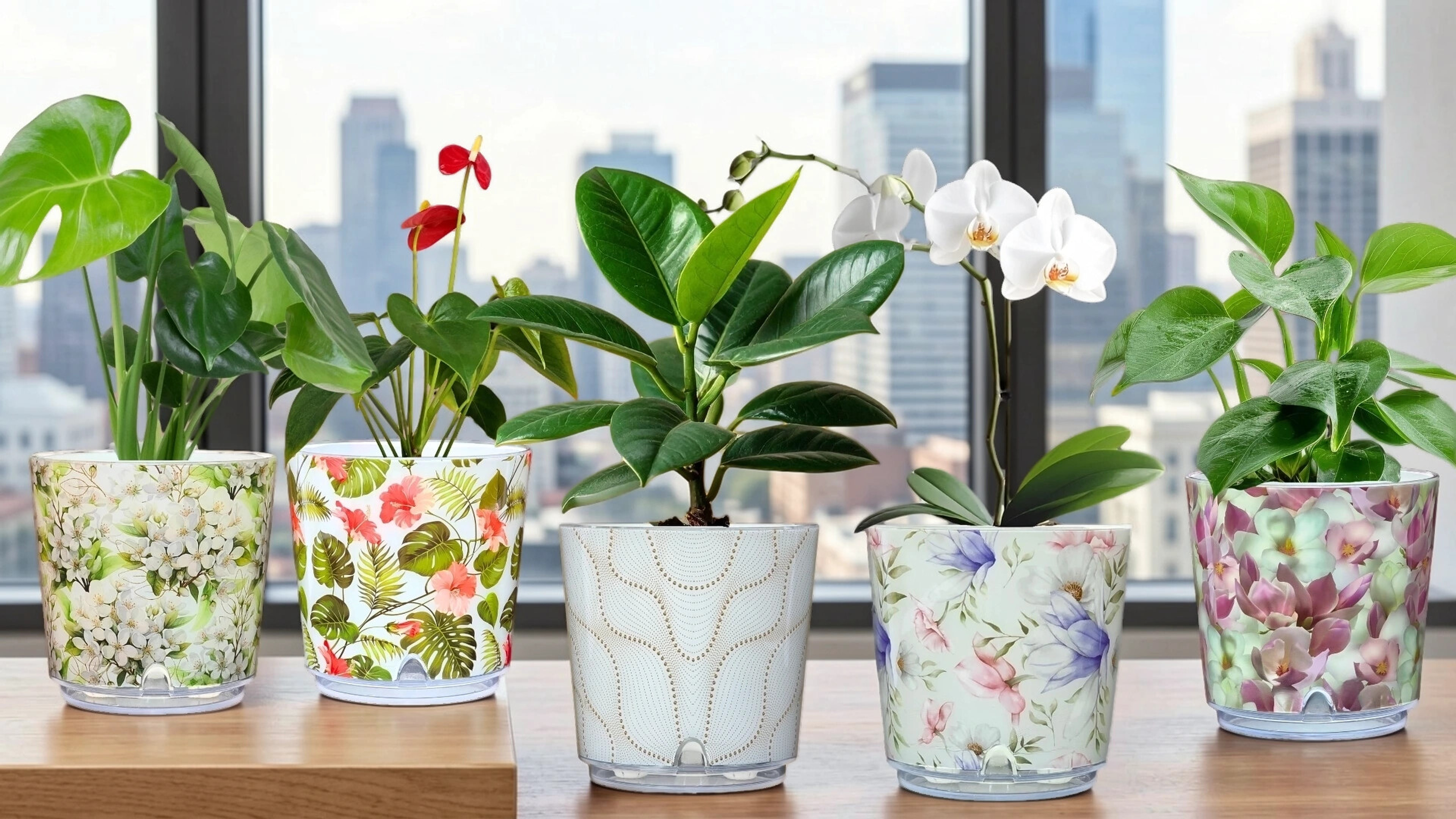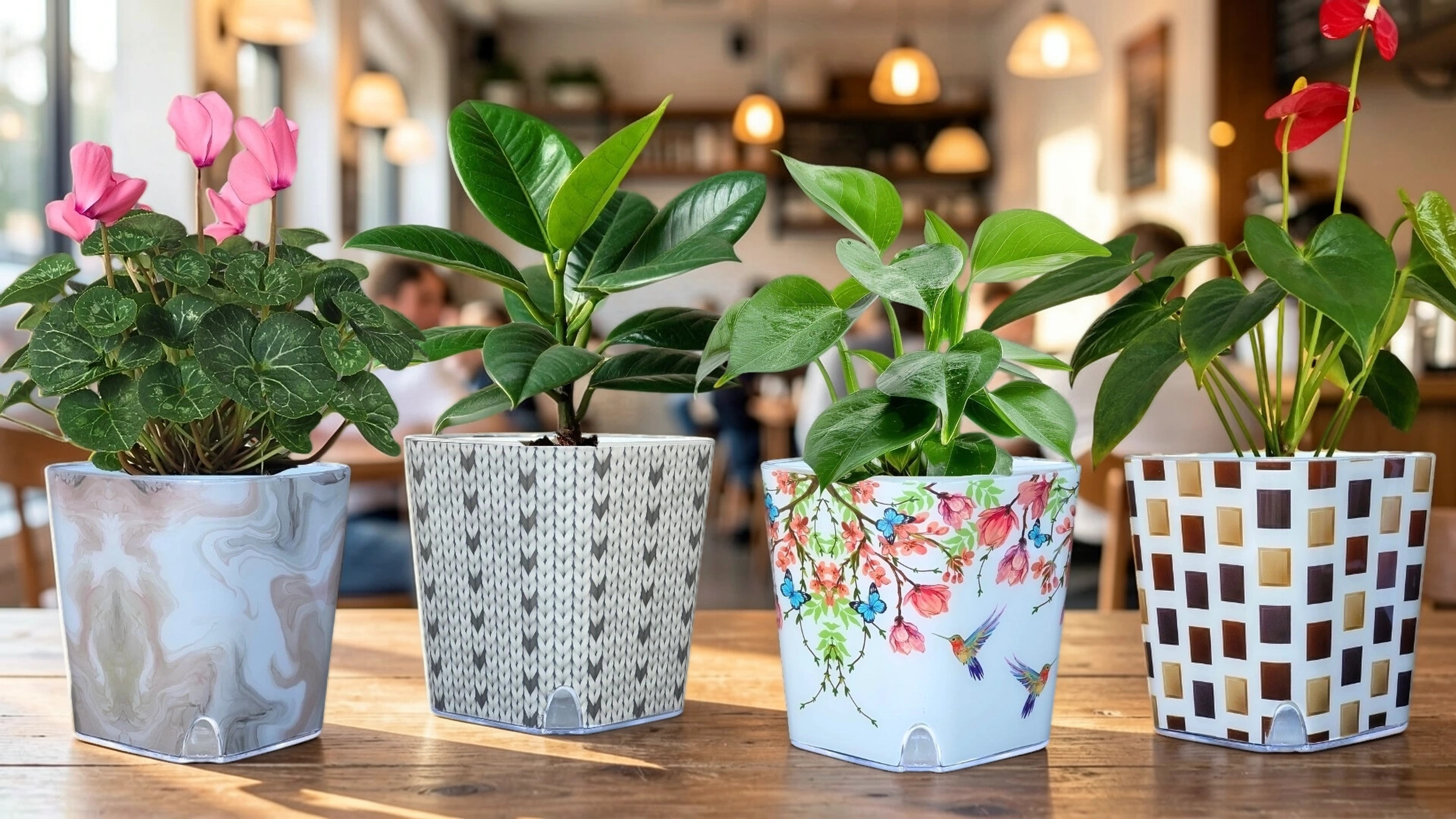
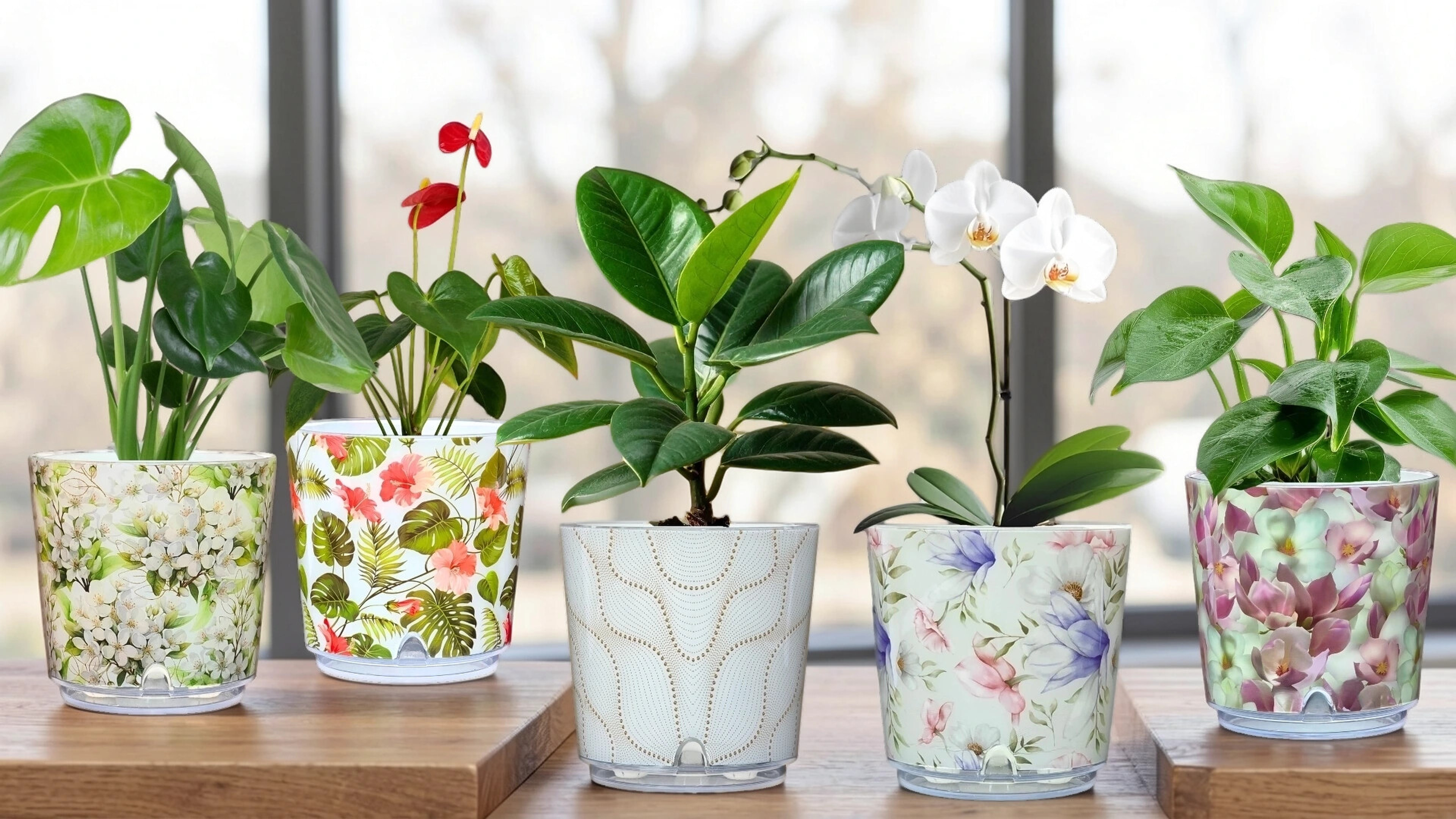
More houseplants are lost to kindness than to neglect. Overwatering is the number one killer — and a bottom-up reservoir is the simplest way to stop doing it.
Ask any plant shop what goes wrong most often and the answer is almost always the same: too much water. It feels caring to reach for the watering can, but roots that sit in constantly soggy soil cannot breathe. Starved of oxygen, they begin to rot — and by the time the leaves yellow and droop, the damage is well underway.
Why top-down watering goes wrong
When you water from above on a schedule, you are guessing. Pour too little and the roots stay thirsty; pour too much, too often, and the soil never gets the chance to breathe between drinks. Because the surface can look dry while the base is still saturated, well-meaning owners keep adding water to a pot that is already waterlogged.
Most struggling houseplants are not thirsty. They are drowning.
How a reservoir breaks the cycle
A self-watering planter feeds the soil from the bottom up. The roots draw moisture from the reservoir only as the plant uses it, so the mix stays evenly damp instead of flooded. You are no longer deciding how much to pour onto the leaves — you are simply keeping a reservoir topped up, and the clear water-level indicator tells you exactly when.
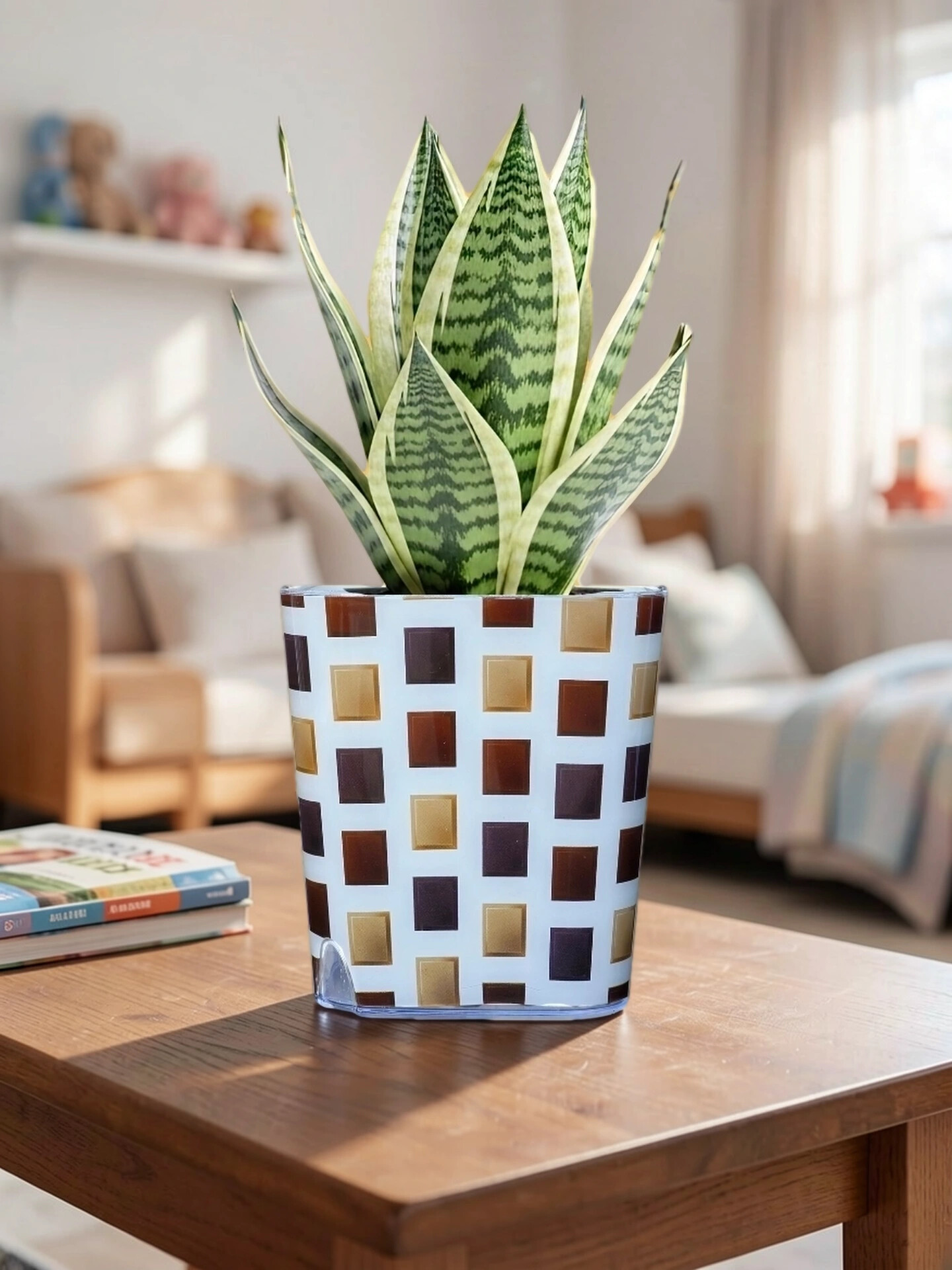
The habit to build is almost too easy: glance at the indicator once a week, top up through the side opening if it is low, and otherwise leave the plant alone. In most homes that means refilling every one to three weeks — and never again drowning a plant with good intentions.